
Take 5 Christian Steps to overcome self-sabotage, grounded in biblical truth, root-cause insight, and practical steps for lasting inner change. You can love God, pray sincerely, and still keep disrupting your own progress.

That specific tension is exactly why so many believers ask how to overcome self-sabotage. You are not lazy, and your faith is not fake. Often, high-capacity people carry old wounds, false beliefs, and emotional survival patterns that were never properly examined. On the outside, you look disciplined, but on the inside, you feel completely divided.
Self-sabotage in a Christian life rarely starts with behavior alone; it usually starts with a hidden misalignment. You say you trust God, but deep down, your nervous system is terrified of disappointment. Eventually, that inner conflict leaks into your choices. You procrastinate, you shrink back, or you quietly destroy the very opportunities you prayed for.
In my 33 years as a process engineer and Certified Master Mindset Coach, I have learned a foundational truth: a process engineer does not fix a broken process by yelling at the machine. He runs a root cause analysis to study the breakdown. Here is exactly how to diagnose your breakdown, clear the blockages, and rebuild your foundation by using these 5 Christian steps.
Why Use 5 Christian Steps with Self-Sabotage
Before we can fix a broken system, we have to understand what is causing the process defect. Many believers keep trying harder and relying on raw willpower without asking what is driving the self-sabotage cycle underneath the surface.
The Faceless Enemy Within
A massive amount of self-sabotage grows out of an identity distortion. You may know Scripture intellectually, but emotionally, your nervous system is still agreeing with old labels formed through childhood instability, trauma, criticism, or abandonment.
When you stay stuck in these patterns, you are battling The Faceless Enemy Within, and remember, you cannot defeat an enemy you have never named. When your internal agreement is broken, your adult life reflects that fracture. You end up self-sabotaging breakthroughs because your old programming believes that staying small is the only way to stay safe.
Unhealed Emotional Pain & Condemnation
Some patterns are not acts of holy rebellion; they are protective survival mechanisms. If your developing mind learned early in life that being seen leads to attack or that hoping leads to intense disappointment, your nervous system will actively resist the very goals your spirit desires. The enemy does not need to destroy your future in one dramatic moment if he can simply keep you trapped in a silent loop of failure, accusation, and chronic self-doubt. The pain of staying stuck is less than the pain of wanting your goal
5 Steps to Overcome Self-Sabotage as a Christian
Overcoming self-sabotage is both a spiritual process and a practical discipline. You need deep healing where there has been injury, and a structured process where there has been drift.
1. Name the Pattern Without Softening It
You cannot transform a process that you keep excusing. To break the loop, you must write down your recurring behaviors as plainly and honestly as possible. Say exactly what is true: I avoid hard conversations. I start assignments late because I am afraid of failure. I isolate myself the moment something good gets close to reality. Clarity is not pressure; clarity is having peace. Naming the pattern exposes the dysfunction and breaks the denial.
2. Trace the Trigger, Not Just the Symptom
To find the root cause, you have to ask better diagnostic questions. What usually happens right before you quit that goal? What is the familiar emotion that rises first? What does this specific pattern seem to protect you from?
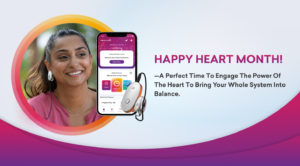
If you notice a physical response, such as a tightening in the chest, your mind starts to race, or a sudden urge to distract yourself, it is your nervous system reacting to perceived danger. You literally cannot access clear thinking from a dysregulated nervous system. In those triggered moments, I highly recommend using HeartMath’s biofeedback technology. Using heart-focused breathing will help you achieve heart-brain coherence, so you can quickly regulate your stress levels, reset your nervous system, and respond with true clarity rather than old fear.
3. Bring the Root into the Light of Scripture
Once the root cause is visible, you must confront the old data with biblical truth. If your root belief says, “I am only valuable when I am performing perfectly,” you must answer it with your unshakeable identity in Christ. If the root says, “I am too broken to change,” you must answer it with Romans 12:2 and the reality of renewal. Transformation happens when truth moves from an intellectual concept to an absolute emotional conviction. I find the passages I need to support my journey in the Evidence Study Bible. You can pick up a copy here on Amazon.
4. Create a Process, Not Just a Promise
Many people make emotional promises to God and mistake that for change. But if you don’t change the underlying infrastructure, your old habits will always return under pressure. You must build a practical response plan before the sabotage happens.
This is exactly why I redefined the standard S.M.A.R.T. framework (Self-Reflection, Mindset, Accountability, Review, Take Control) in my book Transcend By Faith to help you map out your goals and identify your systemic roadblocks before they catch up with you. And when life does derail your progress, do not fall into a heavy shame spiral. Instead, immediately deploy the 48-Hour Reset Protocol as your fail-safe process to recover cleanly and get back in the fight without self-condemnation.
5. Let Safe Accountability Interrupt Secrecy
Self-sabotage grows rapidly in isolation, but it weakens the exact moment honest accountability enters the room. You need mature, trusted support to help you stay honest without shaming you for your slips.
If your pattern has deep roots in past trauma, chronic shame, or emotional dysregulation, seeking outside support isn’t a weakness—it is standard engineering wisdom. I highly recommend Online-Therapy for professional, accessible cognitive-behavioral support from the comfort of your own home to help you dismantle those old scripts.
Where Faith and High Performance Work Together
Faith without a structured follow-through can become vague, and discipline without spiritual surrender will always lead to exhaustion. True, lasting change happens when spiritual truth and intentional systems reinforce each other.
This matters intensely for high performers. Your competence can hide your internal bondage for a very long time. You can easily succeed professionally while remaining completely fragmented and stuck on the inside. If you are ready to stop running a borrowed process and systematically align your ambitions with your true, God-given design, explore this specialized High-Performance Training to elevate how you operate without sacrificing your soul.
Step Into the Light
At some point, transformation stops being a question of habit change and becomes a question of agreement. By not following the 5 Christian steps above, will you keep agreeing with the old story shaped by pain and fear, or will you follow the 5 Christian steps and submit to the stronger work of becoming who God says you are?
If you are serious about overcoming self-sabotage, stop trying to manage the surface symptoms. Start fixing the root cause.
Ready to engineer your breakthrough and stop starting over? Grab your copy of my book, Transcend By Faith, to learn the complete system for authentic transformation, and download your free copy of the Personal Success Planner today to build a goal blueprint that actually belongs to you.
Rooted in Faith, Rising With Purpose.
Affiliate Disclaimer: As an affiliate, I earn commission from some of the products promoted on this website. However, this does not influence my recommendations on the products or services promoted. I only promote products that can bring value to my audience.
Disclosure: The content on my website is for informational purposes only. I am expressing my opinions of what I have experienced and what has worked for me on my personal journey. The information I write about is NOT designed to supplement or replace professional medical guidance, diagnosis, or treatment.
You should always research and seek advice from your family physician or a qualified healthcare professional for any queries about medical or mental health conditions you might have.
